When the Dog Days Arrive, Scorching Heat Sweeps the City. The relentless high temperatures not only test people's heat tolerance but also present the "annual exam" for electric vehicle lithium batteries.
Many people encounter various problems when riding in summer: a sudden drop in range, swollen and overheating batteries, mysterious breakdowns and failures, and more. In fact, the age-old wellness principle of the "Three Don'ts" during the dog days of summer applies just as well to electric vehicle battery care.
During the hottest days, people are advised to avoid being greedy for bargains, greedy for coolness, and greedy for excess. The same holds true for EV lithium batteries. Sticking to these "Three Don'ts" will not only keep your battery in good condition and extend its service life but also ensure the safety of your entire family on the road.
1. Don't Be Greedy for Bargains: Say No to Inferior Lithium Batteries — Don't Gamble with Safety
Many vehicle owners try to save money by opting for cheap, no-name batteries, thinking they're saving a few hundred yuan. In reality, they're inviting huge safety hazards.

During the dog days, road surface temperatures can soar to 40–50°C (104–122°F). Cheap knockoff batteries use inferior materials and lack proper protective features. Their cells are unstable and heat dissipation is poor. Prolonged exposure to high temperatures, combined with frequent charging and discharging, can easily lead to overheating, swelling, and short circuits. In mild cases, the vehicle may be destroyed; in severe cases, personal safety is at risk.
Electric vehicles are essential for daily commuting, hauling goods, and getting around. Safety is always more important than a low price — never compromise on this.
2. Don't Be Greedy for Coolness: Never Rinse the Battery Directly with Water — Water Intrusion Can Be Fatal
After a summer ride, covered in dust and sweat, many people find it convenient and refreshing to blast the entire vehicle with a high-pressure water hose. This is a big mistake.
EV batteries are not fully sealed and waterproof. When the battery casing is hot from high temperatures and suddenly hit with cold water, the drastic temperature difference can damage the sealing layer, allowing moisture to seep inside. Over time, this causes circuit dampness and cell short circuits, accelerating battery aging and reducing range. Even worse, it may lead to sudden spontaneous combustion while parked or charging.

For summer cleaning, simply wipe down the vehicle body with a damp cloth. Never spray water directly onto the battery or charging port.
3. Don't Be Greedy with Charging: Avoid Overcharging and Overuse — They Drain Battery Life
During the dog days, batteries are already operating under high temperatures and heavy loads. After a long day of riding, the battery accumulates significant residual heat. If you charge it immediately, or leave it charging overnight, or store it at full charge for extended periods, the heat will build up layer by layer, potentially triggering thermal runaway. Over time, internal resistance spikes and range plummets. A battery that should last for years may end up completely unusable in no time.
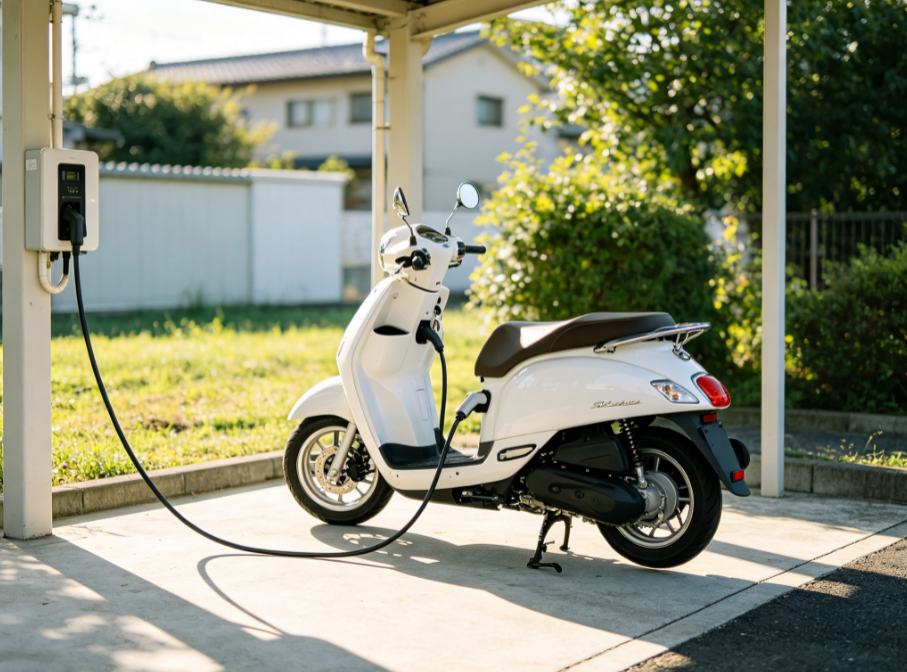
The correct charging practice for the dog days: After riding, let the battery cool down in a shaded, well-ventilated area for 30–60 minutes before charging. Once fully charged, disconnect the power immediately. Never leave it charging overnight or let it trickle-charge for extended periods. This will effectively slow down battery aging.
4. Choose Pucoon Lithium Battery at the Start of the Dog Days — Ride with Peace of Mind
The dog days are peak season for battery failures — and also the perfect time to replace your lithium battery. Instead of carefully nursing an old battery while worrying about potential dangers, why not upgrade to a reliable battery that can easily handle the summer heat?
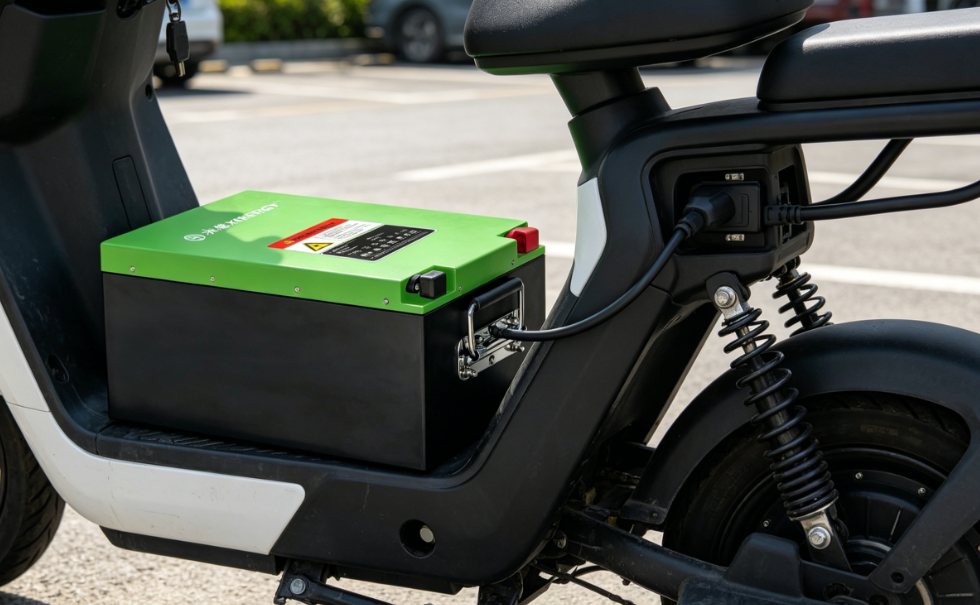
Pucoon Lithium Batteries are equipped with automotive-grade protection technology throughout the entire product line. They have undergone rigorous high-temperature, puncture, and extrusion tests — truly achieving no fire upon puncture and no explosion under high temperatures, eliminating the risk of spontaneous combustion at the source. Built-in BMS (Battery Management System) intelligently monitors temperature, voltage, and current in real time, providing comprehensive protection against overcharging, over-temperature, short circuits, overcurrent, and self-discharge. This effectively prevents overheating, swelling, leakage, and fire, and safeguards the battery from high-temperature overcharge damage and circuit short circuits. The system protects the battery around the clock, ensuring stable operation while significantly extending its service life.
Combined with a 3-year extended warranty and underwriting by China Ping An Insurance, you can ride with confidence all summer long without having to tread carefully. The value for money and safety performance are second to none.
Caring for your EV during the dog days is just like caring for your own health — it requires attentiveness and reliability. Break the bad habits of chasing bargains, taking shortcuts, and overusing your battery. Choose a high-quality lithium battery to avoid summer safety risks and maximize your vehicle's service life.

With its solid quality and long-term warranty, Pucoon Lithium Battery is here to safeguard your summer travels. Fearless in the heat — safe all the way.

 EN
EN
 Contact Us


 Date:2026-07-15 10:26:15